Get Tar Roof Replacement
Tar roof replacement services help property owners address damaged or aging roofs by connecting them with local contractors who can install new roofing systems efficiently.
If your property has an aging or damaged tar roof, exploring replacement options is a practical step toward maintaining its integrity and appearance. Property owners in the area often consider roof replacement to address issues like leaks, wear from weather exposure, or the need for improved durability. By reviewing available local contractors, you can compare services and find the right professionals to handle your project with expertise and attention to detail.
Planning a roof replacement involves evaluating different options and understanding the benefits of working with experienced service providers in the community. Whether upgrading for increased protection or preparing for future conditions, property owners are encouraged to explore local contractors who specialize in tar roof replacement. Continue reading to learn more about how to connect with qualified professionals in your area.
- Commercial Tar Roof Replacement - needed when a business's existing roof shows signs of extensive damage or aging.
- Residential Tar Roof Replacement - appropriate when homeowners notice leaks, cracks, or deterioration in their roof.
- Industrial Tar Roof Replacement - required for factories or warehouses experiencing roof leaks or structural concerns.
- Flat Roof Replacement with Tar - suitable for buildings with flat roofing systems that need a durable, weather-resistant surface.
- Emergency Tar Roof Replacement - necessary when storm damage or sudden leaks compromise the safety or integrity of a roof.
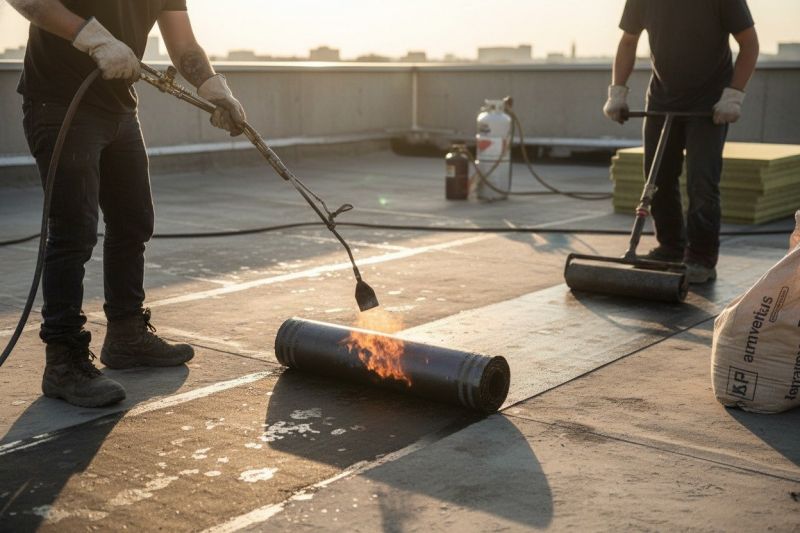
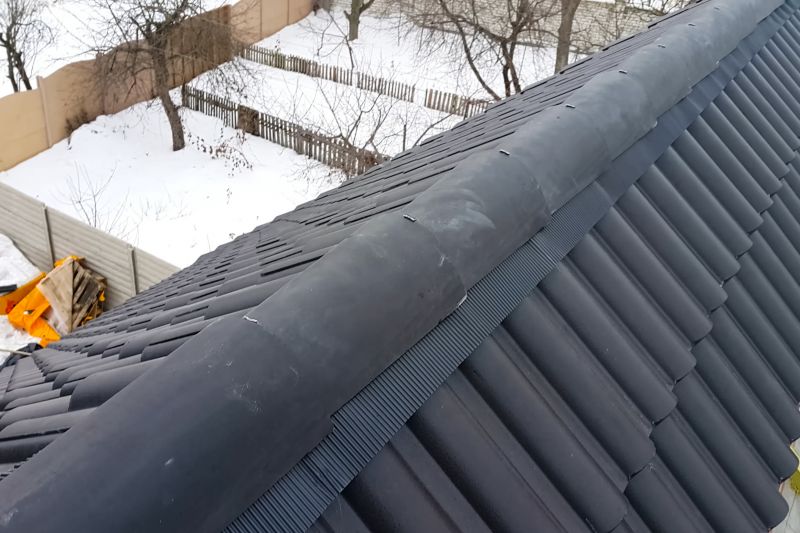
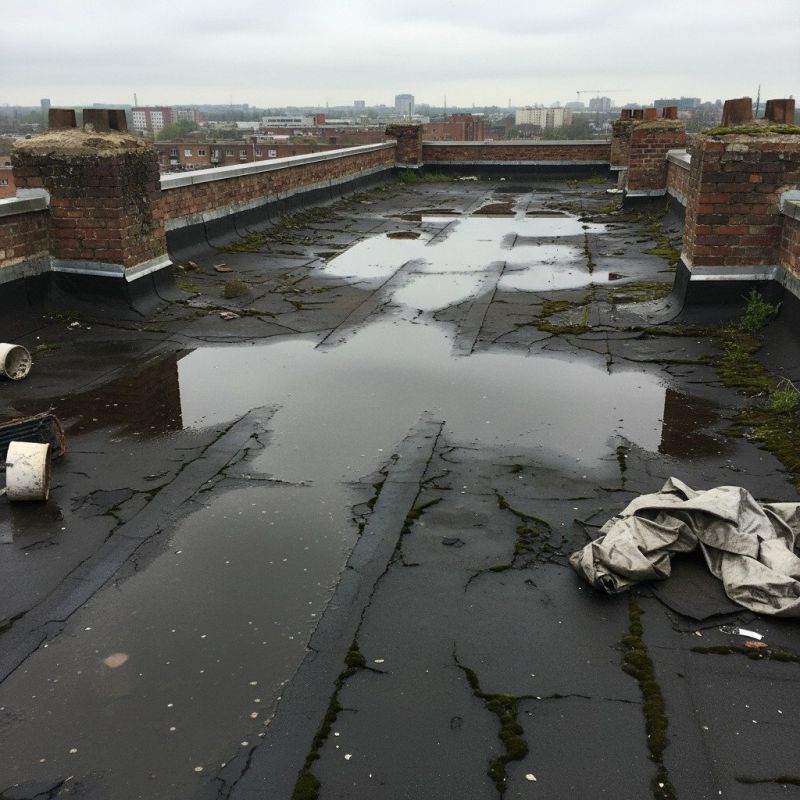
Tar roof replacement services involve removing an existing tar or built-up roof and installing a new, durable roofing system. This process typically includes inspecting the current roof, tearing off the old materials, preparing the surface, and applying new roofing layers to ensure a secure and weather-resistant cover. These services are essential for maintaining the integrity of a property’s roof, especially when the existing tar roof has reached the end of its lifespan or sustained significant damage.
This type of roofing work helps solve common problems such as leaks, water intrusion, and structural deterioration caused by aging materials or severe weather. Over time, tar roofs can develop cracks, blisters, or worn spots that compromise their ability to keep moisture out. Replacing the roof can prevent more extensive damage to the underlying structure, reduce the risk of mold growth, and improve the overall safety and energy efficiency of the property.
Tar roof replacement is often needed on commercial buildings, industrial facilities, and some residential properties that feature flat or low-slope roofs. These roofs are chosen for their affordability and ease of installation but require regular maintenance and timely replacement when they show signs of aging. Property owners with roofs that exhibit persistent leaks, extensive cracking, or blistering should consider consulting local contractors to evaluate whether a replacement is necessary to maintain the building’s integrity.
Homeowners and property managers should be aware that a roof replacement is a significant investment in the longevity of their property. Signs indicating the need for replacement include frequent leaks, visible deterioration, or recurring repairs that no longer seem effective. When these issues arise, reaching out to experienced local service providers can help determine the best course of action and ensure the roof is restored with quality materials and proper installation.
The overview below groups typical Tar Roof Replacement projects into broad ranges so you can see how smaller, mid-sized, and larger jobs often compare in your area.
In many markets, a large share of routine jobs stays in the lower and middle ranges, while only a smaller percentage of projects moves into the highest bands when the work is more complex or site conditions are harder than average.
Smaller Repairs - minor roof repairs or patching typically cost between $250 and $600. Many routine fixes fall within this range, depending on the extent of the damage and materials needed.
Partial Replacement - replacing sections of a tar roof usually ranges from $1,000 to $3,000. Larger, more involved projects may push costs higher, but most fall into this middle band.
Full Roof Replacement - a complete tar roof replacement generally costs between $4,000 and $8,000. Larger or more complex projects can reach $10,000 or more, though these are less common.
Complex or Large-Scale Projects - extensive or custom jobs, such as reroofing multiple structures, can exceed $10,000, with costs varying based on size and complexity. Local contractors can provide estimates tailored to specific project needs.
Actual totals will depend on details like access to the work area, the scope of the project, and the materials selected, so use these as general starting points rather than exact figures.
Flat Roof Replacement - local contractors experienced in replacing flat roofs often have skills and tools similar to those used in tar roof replacement projects.
Roof Repair and Patching - professionals who perform roof repairs and patching work share planning and skillsets relevant to tar roof maintenance and restoration.
Shingle Roof Installation - installing asphalt shingles requires knowledge of roofing materials and surface preparation similar to tar roof installation processes.
Roof Inspection and Assessment - roof inspectors evaluate roofing condition, requiring expertise in identifying issues that can relate to tar roof systems.
Waterproofing and Sealant Applications - applying waterproofing layers and sealants involves techniques compatible with tar roofing materials and planning.
Roof Ventilation and Insulation Projects - these projects involve planning and installation skills that are often used alongside tar roof services for optimal performance.
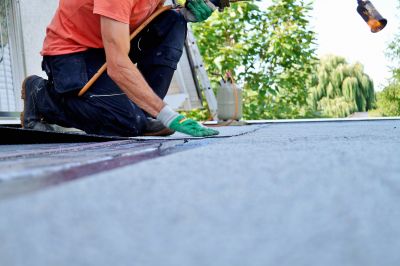
When comparing service providers for tar roof replacement, it’s important to consider their experience with similar projects. Homeowners should inquire about how many tar roof replacements the contractors have completed and whether they have worked on properties similar in size and style. An experienced pro will be familiar with the specific challenges that can arise during a tar roof replacement and will be better equipped to handle the unique aspects of each job. This background can help ensure that the project proceeds smoothly and meets expectations.
Clear, written expectations are essential when evaluating local contractors. Homeowners should seek detailed estimates that outline the scope of work, materials to be used, and the projected timeline. Having this information in writing helps prevent misunderstandings and provides a reference point throughout the project. It also allows homeowners to compare proposals more effectively, ensuring that all service providers are offering comparable services and that there are no surprises once work begins.
Reputable references and effective communication are key indicators of a reliable service provider. When considering local pros, it’s helpful to ask for references from previous clients who have had similar work done. Contacting these references can provide insights into the contractor’s professionalism, quality of work, and ability to stay on schedule. Good communication throughout the process-such as prompt responses to questions and transparency about progress-can also help build confidence that the project will be managed smoothly. These factors combined can help homeowners find a trusted partner for their tar roof replacement needs.
Property owners use Tar Roof Replacement services for practical projects around their homes and businesses. This guide focuses on everyday jobs and straightforward project options.
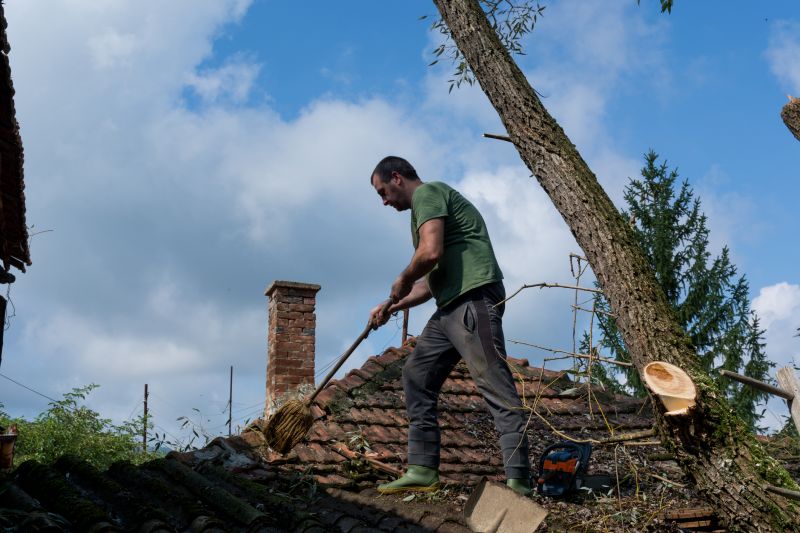
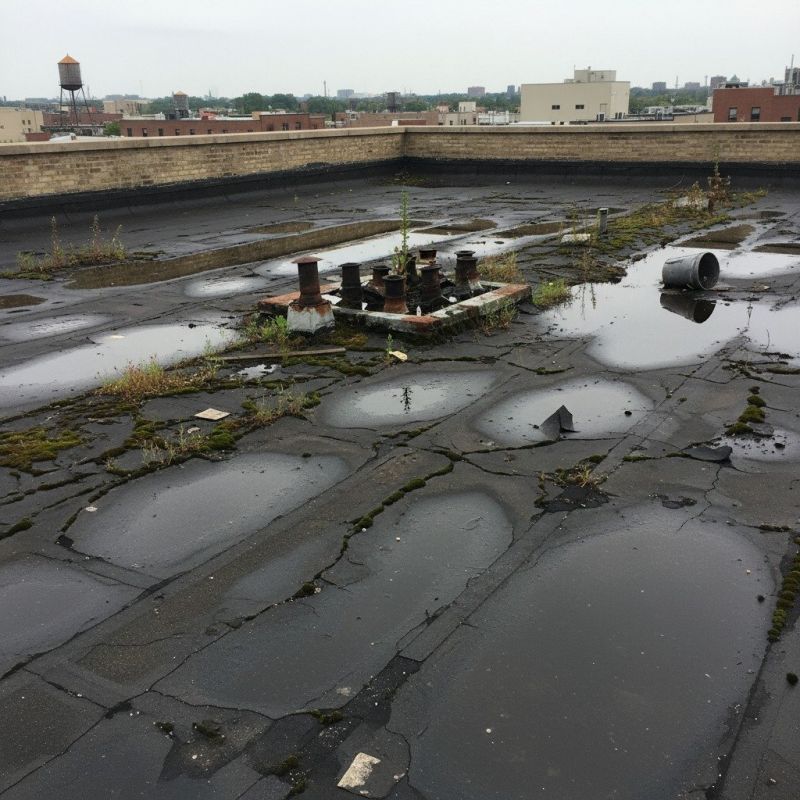
Tar roof replacement is a common project for property owners dealing with aging, damaged, or leaking roofs. Local contractors often handle these jobs when shingles or tiles have become worn out or cracked over time, leading to potential water intrusion or structural concerns. Additionally, homeowners and business owners might seek roof replacement after severe weather events, such as storms or high winds, cause damage to their existing roofing materials.
Many property owners also consider roof replacement as part of routine upgrades or renovations to improve curb appeal and property value. Whether due to the natural deterioration of roofing materials or the desire to enhance the overall appearance of a building, local service providers are available to assist with these projects. They can evaluate the condition of existing roofs and recommend suitable replacement options to meet specific needs.
How do I know if my tar roof needs replacement? Signs such as persistent leaks, extensive cracking, or blisters can indicate that a tar roof may require replacement. Consulting with local contractors can help assess the roof's condition accurately.
What are the benefits of replacing a tar roof? Replacing an aging tar roof can improve the roof’s durability, prevent leaks, and enhance the overall protection of the building. Local service providers can offer guidance tailored to specific needs.
Can I replace my tar roof myself or should I hire a professional? Due to the complexity and safety considerations, it is recommended to hire experienced local contractors for tar roof replacement to ensure proper installation and safety.
What types of roofing materials are used for tar roof replacement? Common options include new asphalt-based membranes, modified bitumen, or other roofing systems compatible with existing structures. Local pros can help determine the best choice.
How can I find qualified local contractors for tar roof replacement? Using a lead generation service can connect you with reputable local service providers experienced in tar roof replacement, helping you compare options easily.
Preventing Water Damage - Replacing a damaged or aging tar roof can help protect a property from leaks during heavy rain or storms.
Enhancing Roof Durability - Upgrading a tar roof can extend its lifespan and improve resistance to weather elements, reducing the need for frequent repairs.
Improving Energy Efficiency - A new tar roof can help maintain interior temperatures, potentially lowering heating and cooling costs.
Preparing for Seasonal Changes - Replacing a tar roof before winter or storm seasons can ensure the roof is better equipped to handle harsh conditions.
If you are thinking about Tar Roof Replacement for a property, this guide is meant to help you understand the work, the typical project types, and how different options might fit your plans.
When you are ready, you can use the quote form on this page to share a few details about your project. From there, local pros can review the basics and respond with options that match what you have in mind.